Where we work
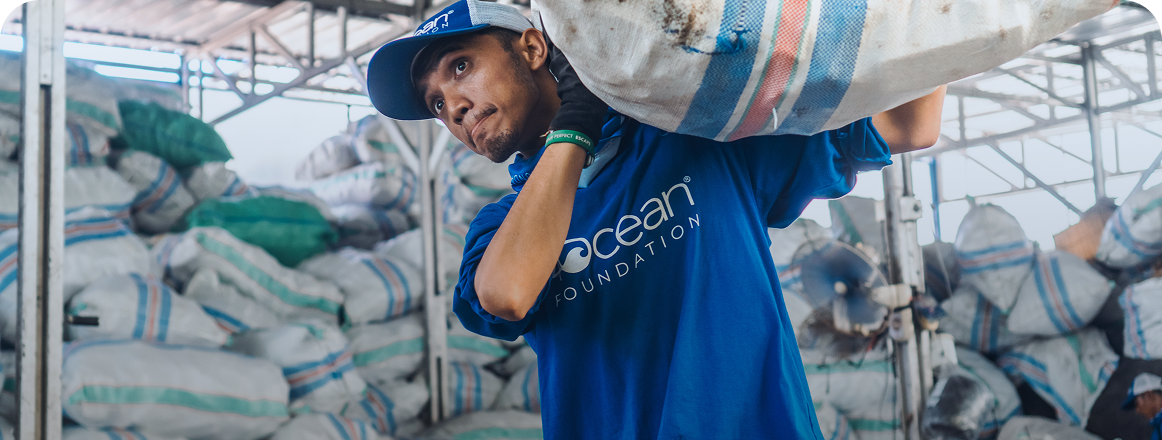
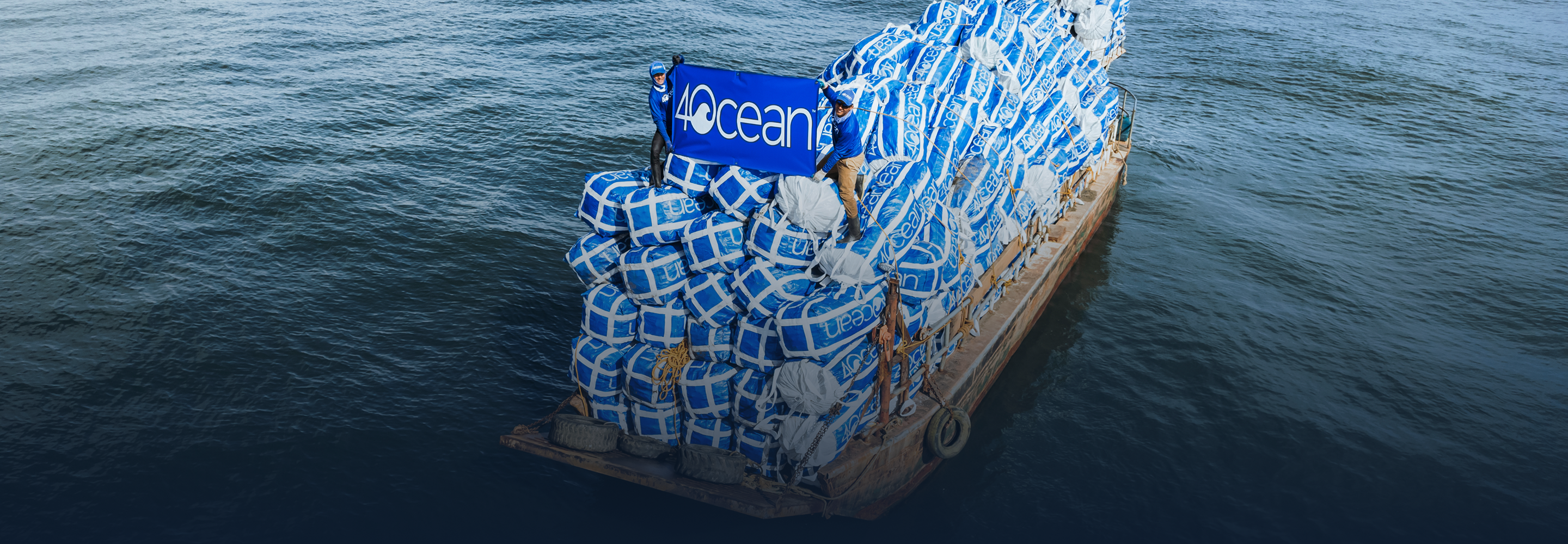
Three active hubs across Bali — boats offshore, booms on the rivers, and crews on the beaches every day.
Our Cleanup Hub
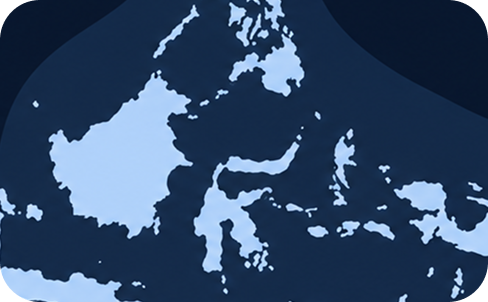
Permanent hubs across Bali
Operations
- Boats
- Booms
- Beaches
📍 Select a hub to explore
Permanent hub
Denpasar
East Bali · Urban estuary
Our urban estuary hub — river booms and beach crews intercepting plastic from Bali’s most populated catchment before it reaches the reef.
- Operating
- Daily
Permanent hub
Jembrana
East Bali · Urban estuary
- Operating
- Daily
Permanent hubs across Bali
Operations
- Boats
- Booms
- Beaches
📍 Select a hub to explore
Why Bali
Bali sits at the heart of the most biodiverse marineregion on earth.
We didn't choose Bali because it was convenient. We chose it because no
other geography on the planet combines ecological stakes, plastic leakage volume, and the potential for verified, scalable impact the way this one does.
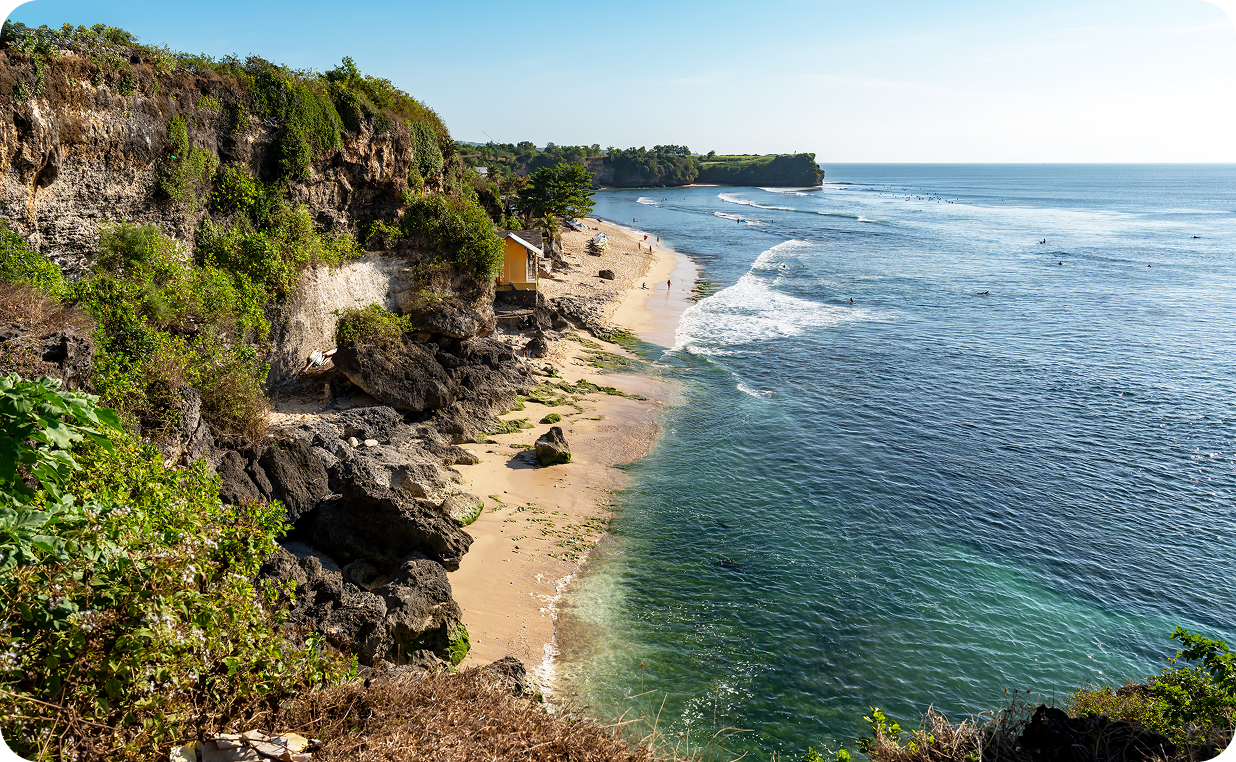
Bali lies at the centre of the Coral Triangle — a 6 million km² marine region spanning Indonesia, the Philippines, Malaysia, Papua New Guinea, Solomon Islands, and Timor-Leste. It is the global epicentre of marine biodiversity, and it is under direct, ongoing threat from plastic pollution.
Bali is also positioned along the Indonesian Throughflow — the powerful
system of currents connecting the Pacific and Indian Oceans. Plastic that
enters the water here doesn't stay local. It disperses across an entire ocean
basin. Cleaning up in Bali is upstream work for a connected world.
-
01
76%
of the world's known coral speciesare found in the Coral Triangle
-
02
37%
of the world's reef fish species livewithin these same waters
-
03
6M km²
of marine region supporting thelivelihoods of over 100 million people
-
04
14%
of Indonesia's mangroves —~510,000 ha — exposed to high plastic leakage